
Dementia & Alzheimer's Care at Home in Aurora and Denver
Dementia care at home is supervision, routines and personal care for a person living with memory loss. It is for families who want a loved one with dementia to stay safely at home. Most families pay privately; Medicare may cover skilled needs, and Health First Colorado or IHSS may help eligible members.
- Consistent routine
- Trained memory-care caregivers
- RN-supervised
- CDPHE Licensed #04Z659
- Medicare-Certified
- CHAP Accredited
- In-network: BCBS & Cigna
- Health First Colorado & IHSS
- Open 7 days, 8 AM–7 PM
- English · Русский · Español
Dementia care helps a person with memory loss stay safe and calm at home. A trained caregiver keeps a steady routine, watches for risks and gives the family a break.
Staying at home matters. Familiar rooms, furniture and routines are often less confusing for someone with dementia than a new place.
EliteCare Colorado is a licensed Class A and Class B agency (License #04Z659). Every dementia care plan starts with a free in-home assessment by a registered nurse.
Is dementia care right for your family?
Wandering or trying to leave the house.
Confusion about time, place or people.
Meals or medications are being missed.
Agitation or 'sundowning' in the late afternoon.
The stove, doors or stairs don't feel safe anymore.
The family caregiver is exhausted.
Not sure? Call us — a nurse will help you choose the right level of care.
What's included in our dementia care services
Your caregiver follows the care plan written by our registered nurse.
Protective oversight
A watchful presence to prevent wandering and accidents.
A consistent routine
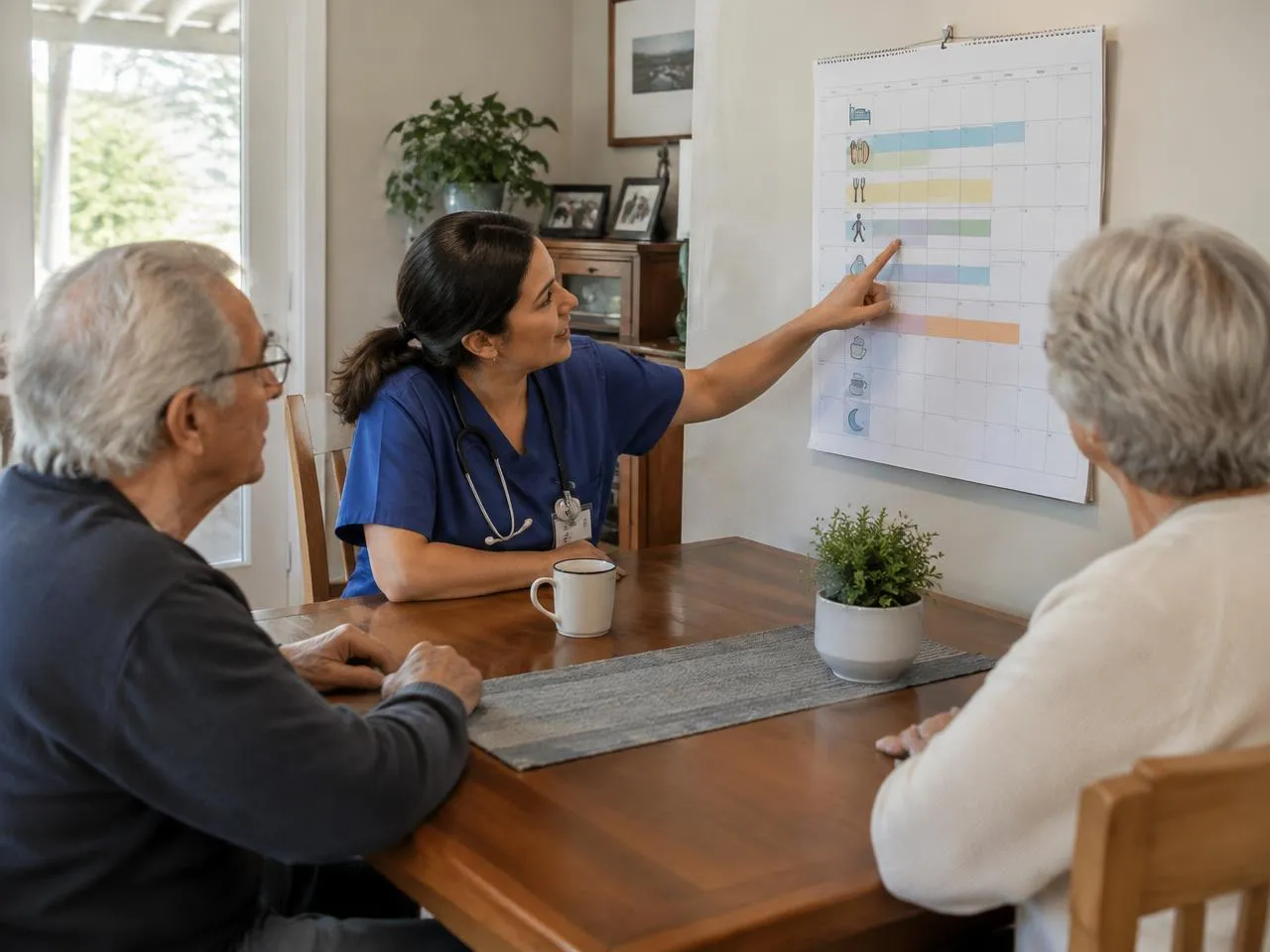
Meals, rest and activities at the same times each day.
Personal care
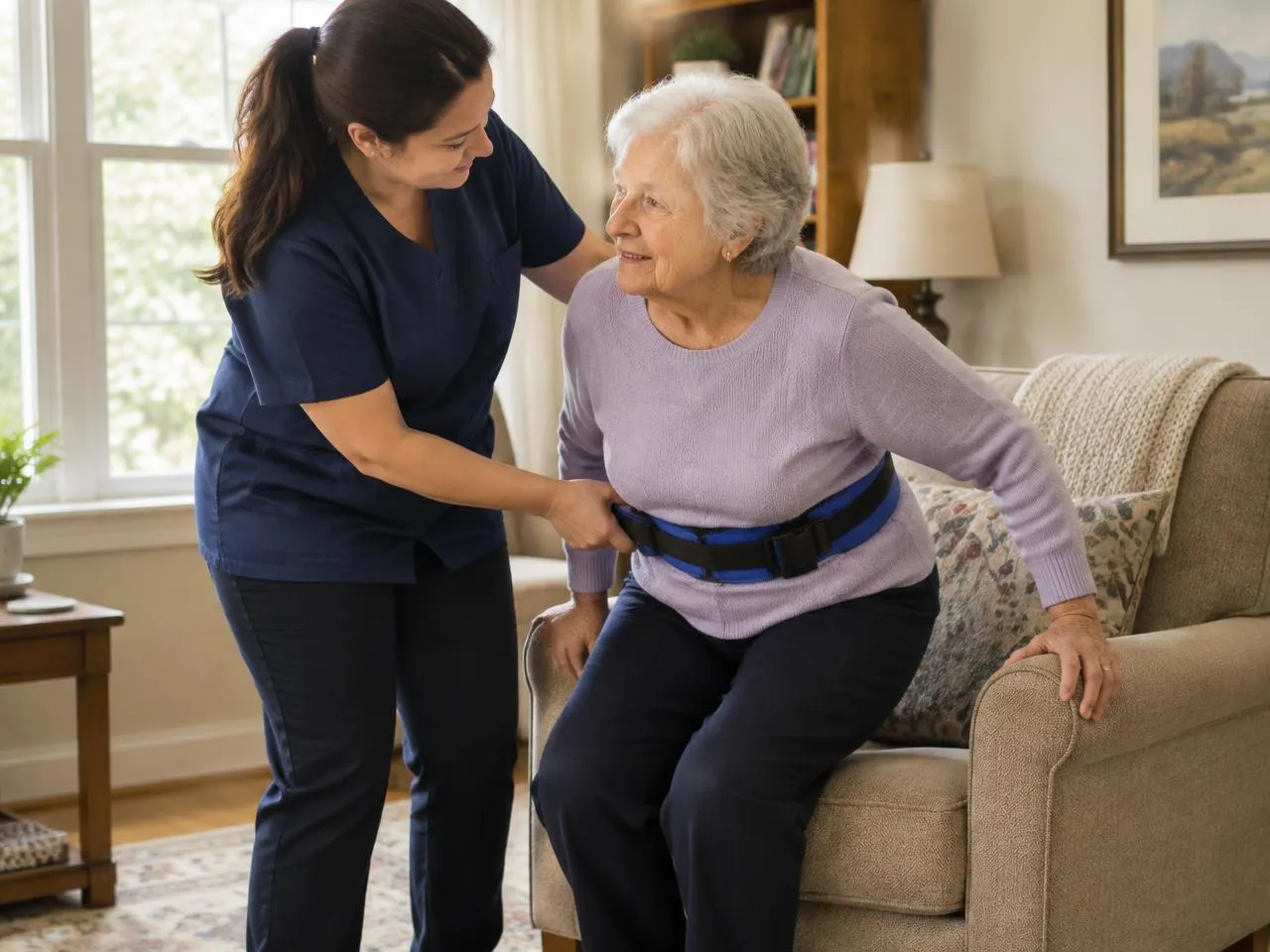
Patient help with bathing, dressing and toileting.
Meals & hydration
Familiar foods and regular drinks.
Medication reminders
Reminders at the times in the care plan.
Engaging activities
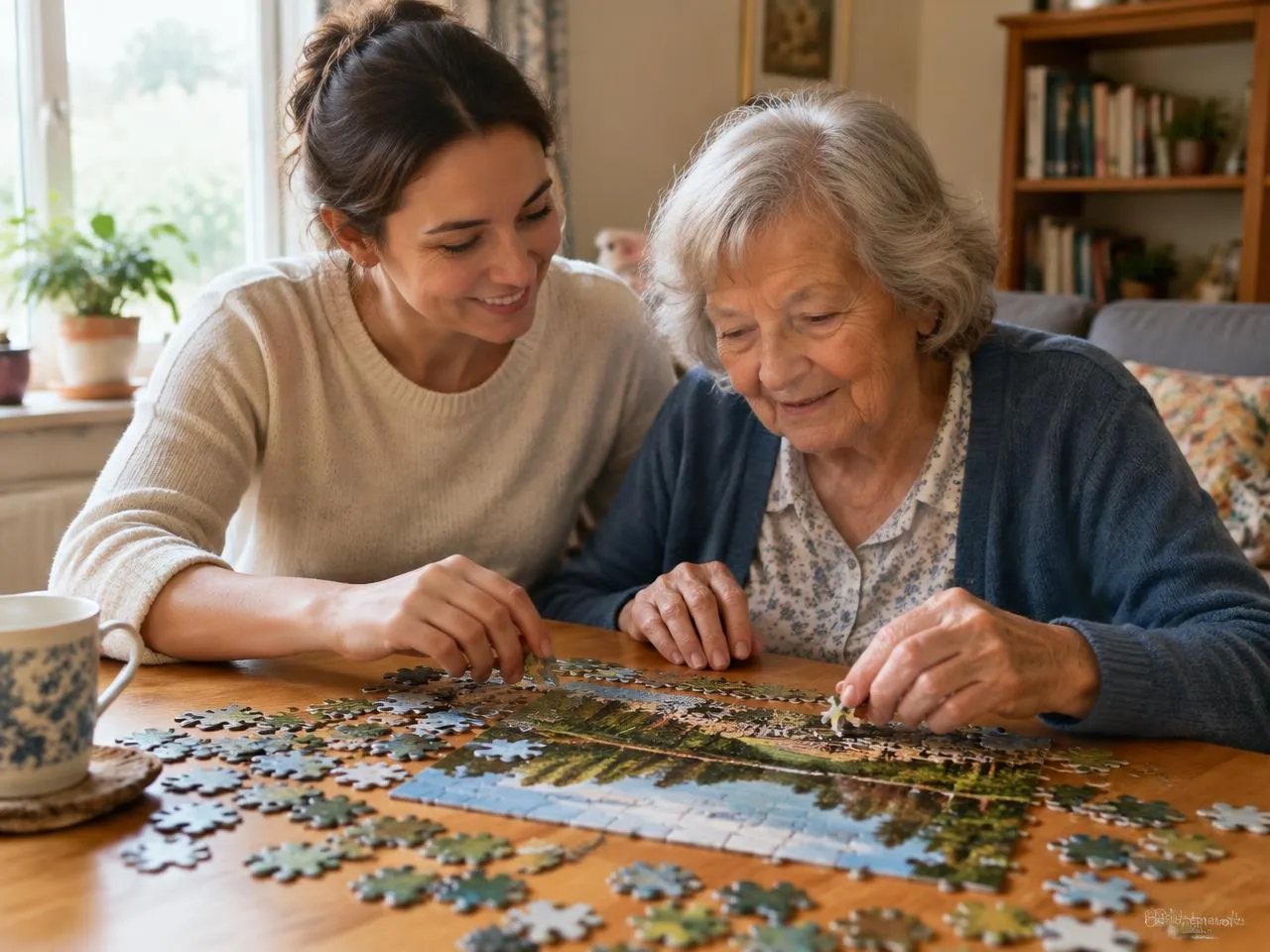
Music, photos, conversation and simple games.
Family updates
Notes after visits so you know how the day went.
Respite for the family
Time for you to rest while we stay with your loved one.
Need something else?
- If you need medical care like wound care or injections → Home Health Care
- If you need company and housekeeping without memory-care needs → Companion Care

What a visit looks like
- 1
Arrive calmly
The caregiver greets your loved one by name and settles into the routine.
- 2
Follow the routine
Meals, personal care and activities happen at the usual times.
- 3
Keep things safe
Gentle redirection, a watched stove and secure doors.
- 4
Engage and reassure
Music, photos and conversation that fit your loved one's story.
- 5
Update the family
A short summary of the day when you return.
Who provides dementia care
Caregiver
Provides supervision, routine, meals, activities and reminders.
Certified Nursing Assistant (CNA)
Helps with hands-on personal care, with patience for memory loss.
Registered Nurse
Does the free assessment, writes the care plan and supervises the care team.
Every care plan is created and supervised by a registered nurse.
Why families choose EliteCare for dementia care
RN oversight at every level
Your nurse updates the care plan as memory and daily care needs change.
One agency for every level of care
Memory support, personal care and ordered nursing can be coordinated by one agency.
Care can begin within 48 hours of receiving the referral and physician orders
If skilled care is ordered, the team reviews the referral and orders alongside memory-care needs.
English, Russian and Spanish
Familiar language can be part of conversation and the daily memory-care routine.
Open 7 days a week, 8 AM–7 PM
Our office is open daily to discuss supervision and support for your family.
How to start dementia care in Aurora and Denver
Step 1
Call or request an assessment
Describe memory changes, supervision needs and the routine your family follows.
Step 2
Free in-home RN assessment
The nurse reviews safety concerns, personal care needs and family support.
Step 3
Your written care plan
The plan records familiar activities, meals and the help your loved one needs.
Step 4
Care begins with regular RN check-ins
The caregiver follows the routine and shares updates with the RN and family.
How dementia care is paid for
Private pay & long-term care insurance
AvailablePrivate pay is available. Some long-term care policies may help.
Coverage depends on eligibility and your plan. We'll help you check your benefits.
Check my coverageCompare levels of care
| Feature | Dementia Care | Personal Care | Respite Care |
|---|---|---|---|
| Who provides | Caregiver or CNA with memory-care training | Caregiver or CNA | Caregiver or CNA |
| Typical tasks | Protective oversight, routine, personal care, engagement | Bathing, dressing, toileting, safe transfers | Covers for the family caregiver: supervision, meals, routine |
| Physician order needed? | No | No (needed for insurance coverage) | No |
| Usually paid by | Private pay; sometimes Health First Colorado or IHSS | IHSS for eligible members; private pay | Private pay; sometimes Health First Colorado or IHSS |
Keeping a loved one with dementia safe at home
Memory loss can affect meals, stove use and knowing where to go when leaving home. Dementia care provides a watchful presence and help with activities that are hard to manage safely.
Tell the RN about wandering, confusion and the times that concern you most. The plan records supervision and personal care needs. Caregivers report changes, but home care cannot remove every risk or replace medical care.
Why routines matter in dementia care
A familiar sequence of meals, washing, rest and activities can make the day easier to follow. Dementia care keeps these routines in view rather than expecting your loved one to adjust to a different schedule at each visit. Caregivers can use familiar music, photos and simple activities that fit the person’s interests.
Share preferences such as a favorite chair, usual mealtime or an activity your parent dislikes. These details guide the caregiver. The RN can review the plan as memory and daily care needs change, rather than treating it as permanent.
Support for family caregivers
Supervision and daily care can leave relatives little time for themselves. A dementia caregiver stays with your loved one while you rest, work or attend an appointment. You can also stay nearby while someone covers meals and personal care.
Visit notes give the family a record of activities, meals and how the person seemed during care. Tell the team about changes you notice outside visits as well. If you mainly need an occasional break from caregiving, respite care is another option to discuss alongside ongoing memory support.
When to consider dementia care at home
Families may look for help when reminders no longer cover missed meals, washing or wandering. Growing confusion can make it harder to leave someone alone. Caregiver exhaustion is also a reason to ask for support.
An assessment reviews current needs and what the family can provide. It is not a dementia diagnosis or a prediction of progression. Our RN reviews home support while diagnosis and treatment remain with the physician.
Talk to a nurse about dementia care
Dementia care across the Denver metro
We provide dementia care at home for families in Aurora and nearby Denver metro communities.
Frequently asked questions
How do you handle someone who refuses help?
Our caregivers use 'soft' approaches, building trust and rapport before assisting with personal tasks. We focus on making the senior feel in control.
Can you provide care for all stages of Alzheimer's?
Yes, we provide care from early stages where only reminders are needed to late-stage care involving full assistance with all activities.
Is your staff trained specifically for dementia?
Yes, our CNAs and caregivers receive instruction on memory loss, communication techniques, and safety protocols.
Will my loved one have the same caregiver every day?
We strive for consistency in our staffing because familiar faces are important for people with memory loss.
What is 'protective oversight' exactly?
Protective oversight means a caregiver is always there to monitor the senior's actions to prevent them from hurting themselves or wandering away.
How quickly can dementia care services start?
We can typically start care within 48 hours of your free assessment and the receipt of necessary physician orders.
Related services


Ready to talk it through?
A free in-home assessment by a registered nurse. No obligation.
Last updated: October 2026