
Home Care vs. Home Health: What's the Difference?
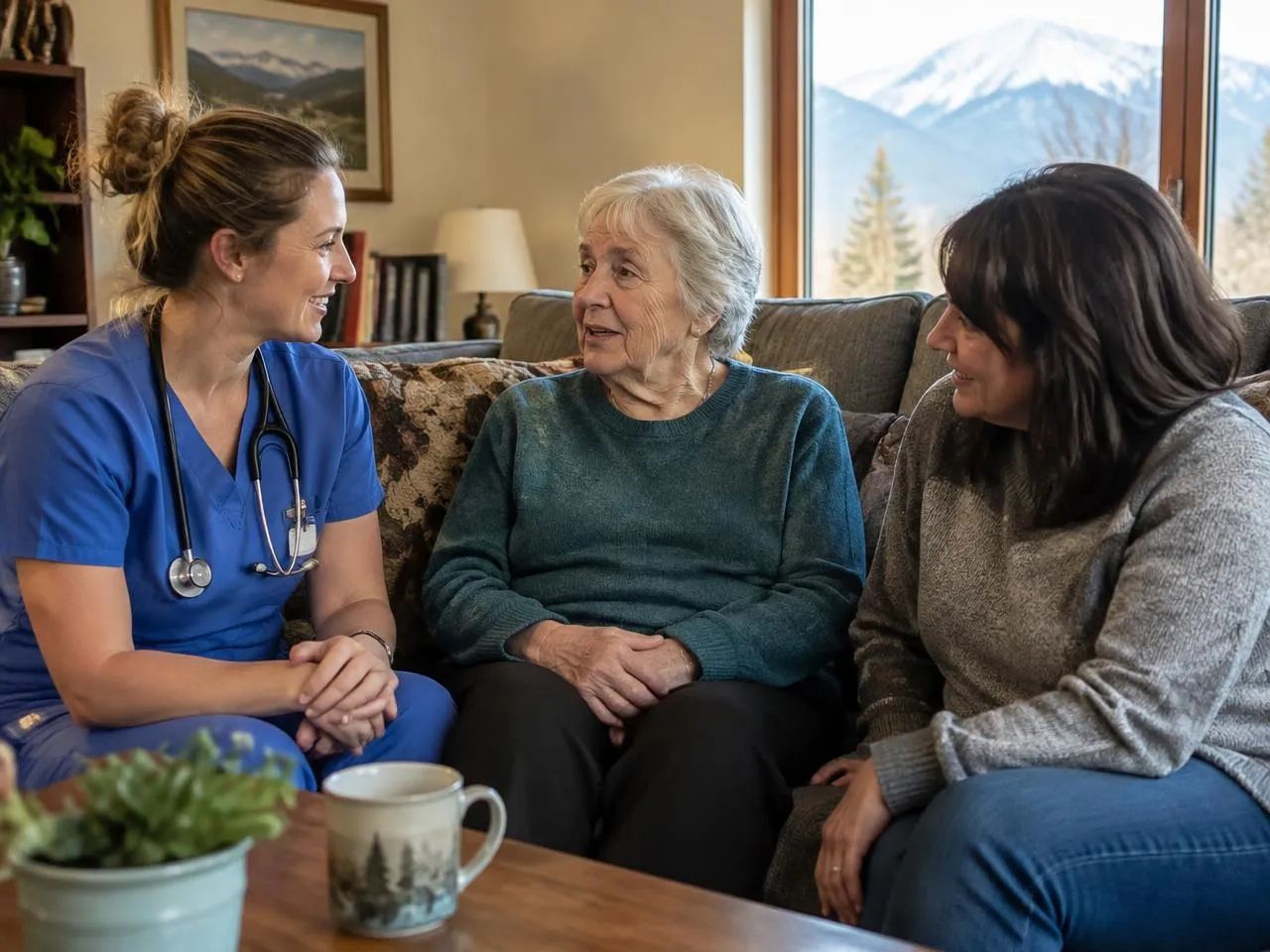
Home health is medical care ordered by a doctor. Home care is help with daily life. EliteCare is licensed for both, so one team can cover each need.
- Licensed CDPHE Class A (medical) and Class B (non-medical)
- Free in-home assessment by a registered nurse
- RN oversight at every level of care
- CDPHE Licensed #04Z659
- Medicare-Certified
- CHAP Accredited
- In-network: BCBS & Cigna
- Health First Colorado & IHSS
- Open 7 days, 8 AM–7 PM
- English · Русский · Español
Home care vs. home health at a glance
| Feature | Home health care (medical) | Home care (non-medical) |
|---|---|---|
| Who provides it | Registered nurses, LPNs and licensed therapists | Caregivers and CNAs, supervised by an RN |
| What it includes | Wound care, injections, IV care, therapy, teaching | Bathing, dressing, meals, housekeeping, companionship |
| Doctor's order | Required | Not usually required |
| Homebound rule | Required for Medicare | Not required |
| Typical length | Short-term, in 60-day periods for Medicare | Ongoing, as long as help is needed |
| Who usually pays | Medicare, BCBS, Cigna and other insurance | Health First Colorado, IHSS, private pay |
Choose between home care and home health in 3 questions
Question 1
Does your loved one need medical care ordered by a doctor?
Examples: a healing wound, new medications, injections, or therapy after a fall. That is home health care.
Question 2
Do they need help with daily activities?
Examples: bathing, dressing, meals, laundry, or someone to check in. That is home care.
Question 3
Both?
Many people need both, especially after a hospital stay. One agency can coordinate the nurse and the caregiver.
The names sound alike, but they mean different things. Home health care is clinical care from nurses and therapists. Home care is non-medical help with bathing, dressing, meals and housework from caregivers and CNAs.
The difference matters because it decides who pays. Medicare and private insurance usually pay for home health. Home care is usually paid through Health First Colorado, IHSS, long-term care insurance or private pay.
Do you qualify for home health or home care?
- Home health: a doctor orders skilled nursing or therapy.
- Home health under Medicare: you are homebound and need part-time skilled care.
- Home care: you need help with daily activities like bathing, dressing or meals.
- Home care under Health First Colorado or IHSS: your case manager authorizes the services.
- Home care under private pay: no doctor's order or homebound rule applies.
Our registered nurse can visit for a free assessment and tell you which type of care fits, and how it might be paid for.
What home health and home care each cover
Covered
- Home health: skilled nursing visits
- Home health: physical, occupational and speech therapy
- Home health: wound care, injections and IV care
- Home care: bathing, dressing, grooming and toileting
- Home care: meals, laundry and light housekeeping
- Home care: companionship and supervision for safety
Not covered
- Home health: daily chores when that is the only need
- Home health: 24-hour care
- Home care: wound care, injections or other skilled tasks
- Home care: therapy
- Either: room and board
- Either: care that is not in your written care plan
How to start home care or home health with EliteCare
- You
Step 1
Call or fill out the form
Tell us what is happening at home. We ask a few questions to see which type of care might fit.
- EliteCare nurse
Step 2
Free in-home assessment
A registered nurse visits, reviews health and safety, and recommends home health, home care, or both.
- Your doctor or case manager
Step 3
Orders or authorizes care
For home health, your doctor sends orders. For Health First Colorado or IHSS, your case manager authorizes services.
- EliteCare
Step 4
Care begins
Once we have the referral and physician orders, care can begin within 48 hours. Home care on private pay can start after the assessment.
What to have ready when you call about home care or home health
- Medicare, Health First Colorado or private insurance card
- Your doctor's name and office phone number
- A list of current medications
- Recent hospital or rehab discharge papers
- A list of daily tasks that are hard right now
Home health and home care services at EliteCare
Home health care
Home health: skilled nursing ordered by a doctor.
Learn moreTherapy services
Home health: physical, occupational and speech therapy.
Learn morePersonal care
Home care: hands-on help with bathing, dressing and moving safely.
Learn moreCompanion care
Home care: meals, errands, housekeeping and company.
Learn moreWhat home health care means
Home health care treats a medical condition at home. A nurse or therapist visits a few times a week, follows the doctor's orders, and works toward set goals.
Common reasons include recovery from surgery, a new diagnosis like diabetes, or therapy after a fall. Under Medicare, the patient must also be homebound.
What home care means
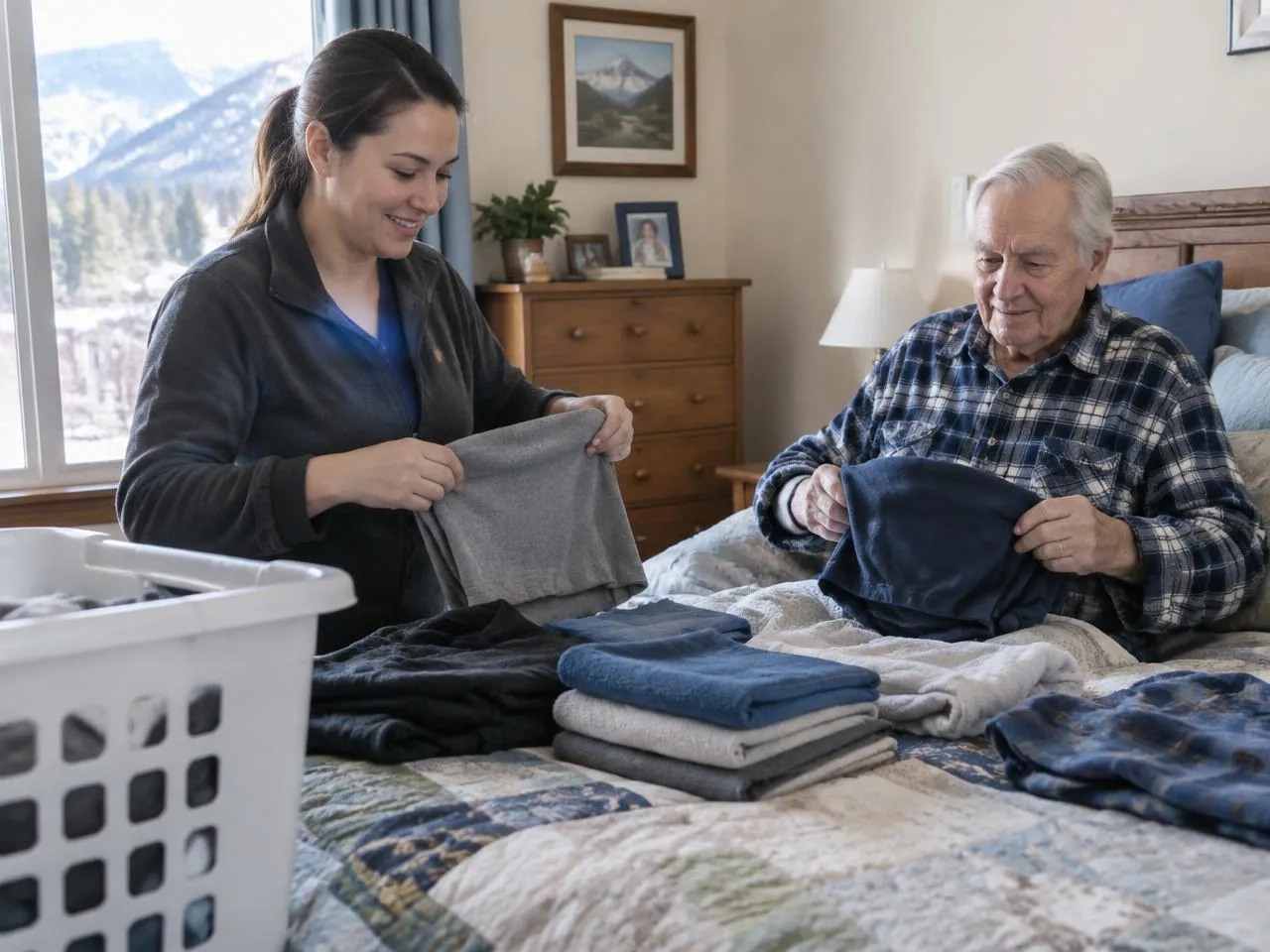
Home care helps with daily life. A caregiver or CNA helps with bathing, dressing, meals, light housekeeping, and supervision for someone with memory loss.
Home care does not need a doctor's order or a homebound status. It often continues for months or years, as long as help is needed.
How families move between home health and home care
Many people start with home health after a hospital stay. When the medical goals are met, home health ends, but help with daily tasks may still be needed.
Because EliteCare is licensed for both, the move can happen within one agency. Your registered nurse updates the care plan, and you keep working with the same office.
How payment differs for home care and home health
Medicare, Blue Cross Blue Shield and Cigna usually pay for home health when it is medically necessary. They rarely pay for long-term personal care.
Home care is usually paid through Health First Colorado, IHSS, long-term care insurance or private pay. We check your options and explain them before care starts.

Check coverage for home care or home health
Home care vs. home health questions
Can someone get home health and home care at the same time?
Yes. A nurse or therapist can visit for medical needs while a caregiver helps with bathing, meals and chores on other days.
Does Medicare pay for a caregiver to help with cleaning?
Generally, no. Medicare pays for skilled home health. It does not pay for homemaker services when that is the only help you need.
Do I need to be homebound to get home care?
No. The homebound rule applies to Medicare home health. Non-medical home care has no homebound requirement.
Is a CNA a nurse?
No. A certified nursing assistant helps with personal care and some health-related tasks under a registered nurse's supervision. A CNA does not provide skilled nursing.
How do I know if my doctor ordered home health?
Ask the doctor's office, or call us. With your permission, we can contact the office to check for orders.
Who supervises home care caregivers at EliteCare?
Registered nurses supervise care at every level, including non-medical home care. The nurse writes the care plan and checks in regularly.
Related to home care and home health



Last updated: October 2026